
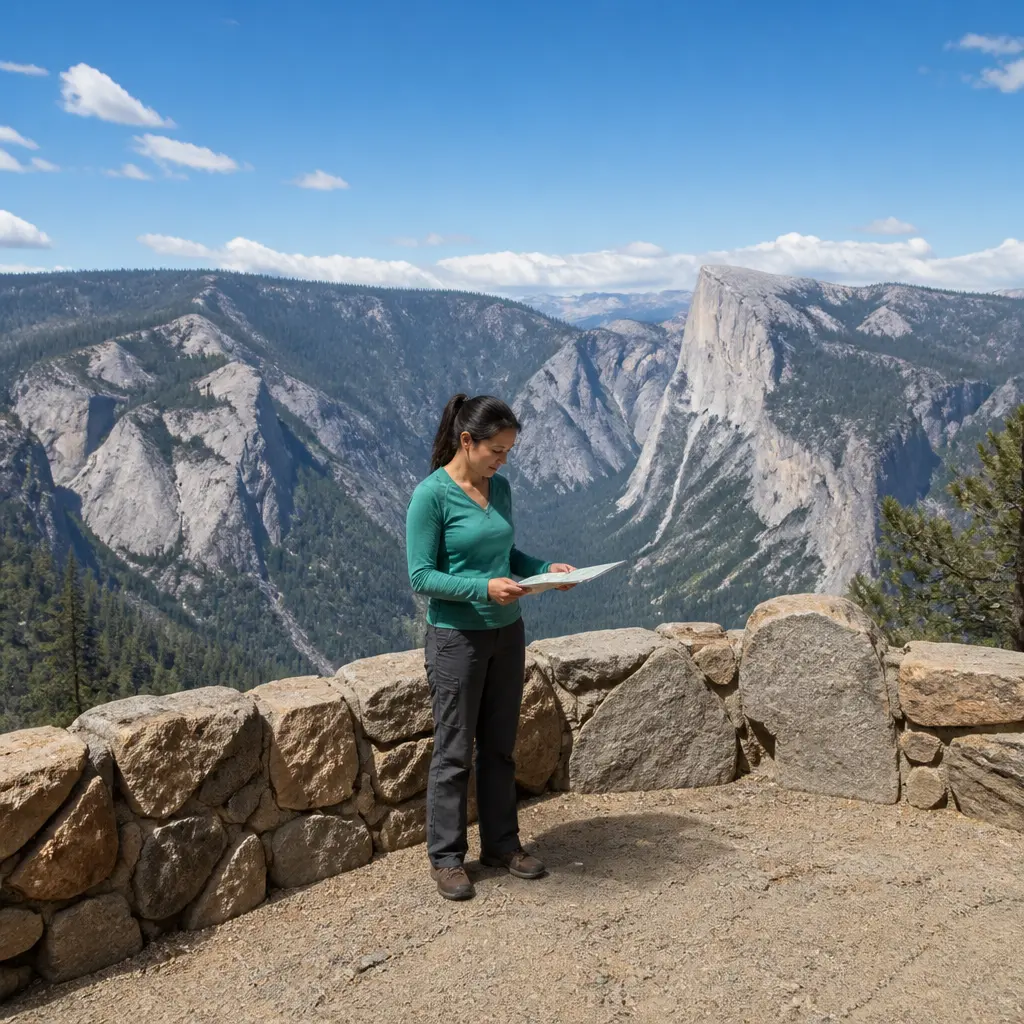
Destination spots with drive-worthy appeal are places whose scenery, experiences, or cultural value makes the journey itself part of the reward. National parks, scenic byways, coastal routes, mountain towns, and heritage sites fit this category because they offer more than a final landmark. The National Park Service recorded about 325.5 million recreation visits in 2023, showing the continuing demand for nature-based travel, while the Federal Highway Administration recognizes scenic byways as routes with archaeological, cultural, historic, natural, recreational, or scenic qualities. These destinations are worth the long drive because they combine memorable views, meaningful stops, outdoor activities, and a stronger sense of discovery than a quick trip usually provides.
Why Destination Spots Offer Drive-Worthy Appeal
“Destination spots with drive-worthy appeal” is an entity-and-attribute pairing: the entity is a destination spot, while the attribute describes its ability to justify extended travel by road. UN Tourism defines a tourism destination as a physical space where visitors can spend at least one night and experience products, services, activities, and attractions connected to that location. In practical terms, a drive-worthy destination adds enough variety and quality to make the route feel purposeful rather than merely inconvenient.
The main hyponyms include national parks, scenic highways, coastal communities, mountain retreats, historic districts, lakeside recreation areas, and rural cultural attractions. Each type rewards a long drive differently: a national park may provide dramatic geology, a coastal route may offer changing ocean views, and a historic town may turn the journey into a lesson in regional identity.
National parks provide concentrated natural value
National parks are protected landscapes managed for conservation, public enjoyment, and education. They are especially suitable for long drives because one park can contain overlooks, trails, wildlife habitat, rivers, forests, and historic sites in a single visit.
The National Park Service reported approximately 325.5 million recreation visits across the United States national park system in 2023. Great Smoky Mountains National Park led the system with roughly 13.3 million visits, while Grand Canyon National Park received about 4.7 million. These numbers do not prove that every park is ideal for every traveler, but they do demonstrate the broad appeal of destinations where scenery and recreation are available in the same place.
Scenic byways make the route part of the attraction
A scenic byway is a designated road recognized for qualities such as natural beauty, cultural history, or recreational access. The Federal Highway Administration’s National Scenic Byways Program identifies routes where the drive itself offers an interpretive experience. This makes a long-distance trip feel less like transportation and more like a sequence of viewpoints, small towns, trailheads, and local businesses.
The Blue Ridge Parkway illustrates this model. Stretching about 469 miles through Virginia and North Carolina, it links the Shenandoah and Great Smoky Mountains regions while offering overlooks, hiking access, forests, and mountain communities. Its value is not limited to one endpoint; the changing elevation and landscape provide reasons to stop repeatedly along the way.
Destination Spots Create Stronger Scenic Experiences
The first simple reason to accept a long drive is that distance often produces greater visual variety. A short urban trip may deliver one major attraction, but a long road journey can move through several ecological regions, elevations, or cultural landscapes before reaching the main destination.
Changing landscapes reward patient travelers
Long drives to places such as Yellowstone, the Grand Canyon, or Big Sur often pass through farmland, forests, deserts, mountain ranges, or coastal terrain. The transition matters because it creates anticipation and gives travelers a clearer understanding of regional geography.
Yellowstone National Park is a strong example. Its approximately 2.2 million acres contain geothermal features, high-elevation lakes, canyons, grasslands, and major wildlife habitat. A visitor driving from one area to another may encounter bison, thermal basins, waterfalls, and broad mountain views in the same trip. The distance between attractions can be inconvenient, but it also creates the variety that makes the park distinctive.
Geological landmarks deliver scale that photographs cannot fully capture
Large geological destinations are worth the drive because their size, depth, and surrounding silence are difficult to understand through images alone. Grand Canyon National Park extends for roughly 277 river miles, and the canyon’s layered rock records hundreds of millions of years of geological history.
The long approach to a landmark such as the Grand Canyon also makes the first overlook more powerful. After hours of changing terrain, the sudden scale of the canyon becomes an experience rather than simply a view. This is one reason remote overlooks, desert parks, and mountain passes often feel more memorable than attractions located beside major highways.
Destination Spots Combine Recreation and Rest
Another reason to make the drive is the opportunity to combine active recreation with slower forms of rest. A worthwhile destination does not require every hour to be scheduled. It can support hiking, paddling, photography, wildlife observation, scenic dining, and quiet time in the same itinerary.
Outdoor activities make the trip useful beyond sightseeing
A destination with multiple activity levels can serve different travelers. One person may hike a challenging trail, another may visit an overlook, and another may prefer a picnic or accessible nature walk. The National Park Service reports that national parks protect more than 85 million acres of land and water, creating a wide range of settings for recreation and learning.
For example, a drive to Olympic National Park in Washington can include temperate rainforest, alpine terrain, and Pacific coastline. A visit to the park can therefore accommodate short walks, serious hiking, beach exploration, photography, and wildlife viewing without requiring visitors to choose only one type of experience.
Long drives create space for restorative travel
Restorative travel is tourism designed around recovery, reflection, and reduced mental pressure rather than constant entertainment. Rural destinations, lakeside towns, and forest retreats often support this purpose because they provide fewer crowds, darker night skies, and more opportunities to disconnect from routine.
The Centers for Disease Control and Prevention recommends regular physical activity because it supports physical and mental health. A destination that encourages walking, hiking, or time outdoors can therefore add a wellness benefit to a recreational trip. The drive may be tiring, but the combination of movement, scenery, and a change of environment can make the overall experience feel worthwhile.
Destination Spots Support Local Culture and Economies
Long-drive destinations are often valuable because they connect visitors with communities that are not represented by major airports or large resort corridors. Travelers may encounter regional food, craft traditions, museums, historic buildings, farm stands, and locally owned lodging.
Small communities add character to the itinerary
Towns near national parks and scenic routes frequently serve as gateways to larger landscapes. Estes Park near Rocky Mountain National Park, Springdale near Zion National Park, and Bar Harbor near Acadia National Park each add lodging, restaurants, guides, galleries, and local history to the broader destination experience.
The U.S. Travel Association has consistently identified travel and tourism as major contributors to employment and economic activity in the United States. Spending on fuel, meals, lodging, entrance fees, equipment, and local services allows a road trip to distribute economic benefits across multiple communities rather than concentrating all spending at one endpoint.
Heritage destinations turn travel into learning
Historic and cultural destinations are places where architecture, events, traditions, or landscapes help explain a region’s past. Colonial Williamsburg, Civil War sites, Route 66 communities, and Indigenous cultural centers demonstrate why a long drive can provide context that a quick attraction visit cannot.
The National Trust for Historic Preservation describes historic places as resources that connect people with the stories and experiences that shaped communities. Visiting these places responsibly means supporting preservation, listening to local interpretation, and recognizing that a destination’s value may be cultural as well as scenic.
Destination Spots Make the Journey More Memorable
A long drive becomes easier to justify when the destination offers a clear sense of occasion. Travelers tend to remember not only what they saw but also the route, unexpected stops, weather, conversations, and small discoveries that could not have been planned from a short flight or ordinary weekend outing.
Anticipation increases the value of arrival
Psychologists often distinguish between the experience of an event and the anticipation or memory surrounding it. A long drive creates both. Travelers watch the landscape change, mark progress on a map, and build expectations before reaching the final viewpoint. That emotional buildup can make arrival feel more significant.
Planning protects the experience
Remote destinations reward preparation. Before leaving, travelers should check road conditions, fuel availability, weather, park reservations, seasonal closures, cell service, and lodging. The National Park Service advises visitors to plan ahead because many popular parks experience congestion, limited parking, and changing conditions.
- Choose a route with at least two meaningful stops rather than driving nonstop.
- Allow extra time for construction, wildlife crossings, weather, and photographs.
- Carry water, food, navigation backups, and emergency supplies in remote areas.
- Respect Leave No Trace principles and local restrictions.
- Visit during shoulder seasons when conditions are suitable and crowds may be lower.
A simple way to compare options is to chart each destination by scenery, recreation, cultural interest, travel time, and seasonal reliability. A destination that scores well in several categories is usually a better long-drive choice than a place offering only one attraction.
Conclusion: Destination Spots Turn Distance Into Value
Destination spots with drive-worthy appeal justify the long road because they combine concentrated natural value, scenic routes, recreation, cultural learning, local economic support, and memorable arrival experiences. National parks provide protected landscapes; scenic byways make the route part of the attraction; coastal, mountain, and heritage destinations add variety and regional character.
The best choice depends on the traveler’s priorities, but the basic test is simple: does the destination offer enough to make both the journey and the stay meaningful? Research park conditions, plan responsible stops, support local businesses, and choose a route where the landscape changes as often as the scenery inspires. For further planning, consult official National Park Service pages, Federal Highway Administration byway information, state tourism agencies, and local visitor centers.
Sources: National Park Service, National Park Visitor Spending Effects, https://www.nps.gov/subjects/socialscience/vse.htm; National Park Service, Annual Park Ranking Report, https://irma.nps.gov/STATS/SSRSReports/National%20Reports/Annual%20Park%20Ranking%20Report; National Park Service, Yellowstone National Park, https://www.nps.gov/yell/index.htm; National Park Service, Grand Canyon National Park, https://www.nps.gov/grca/index.htm; Federal Highway Administration, National Scenic Byways Program, https://www.fhwa.dot.gov/byways/; United Nations Tourism, Glossary of Tourism Terms, https://www.unwto.org/glossary-tourism-terms; Centers for Disease Control and Prevention, Benefits of Physical Activity, https://www.cdc.gov/physical-activity-basics/benefits/index.html; U.S. Travel Association, Economic Impact of Travel, https://www.ustravel.org/research; National Trust for Historic Preservation, Preservation Basics, https://savingplaces.org/learn