
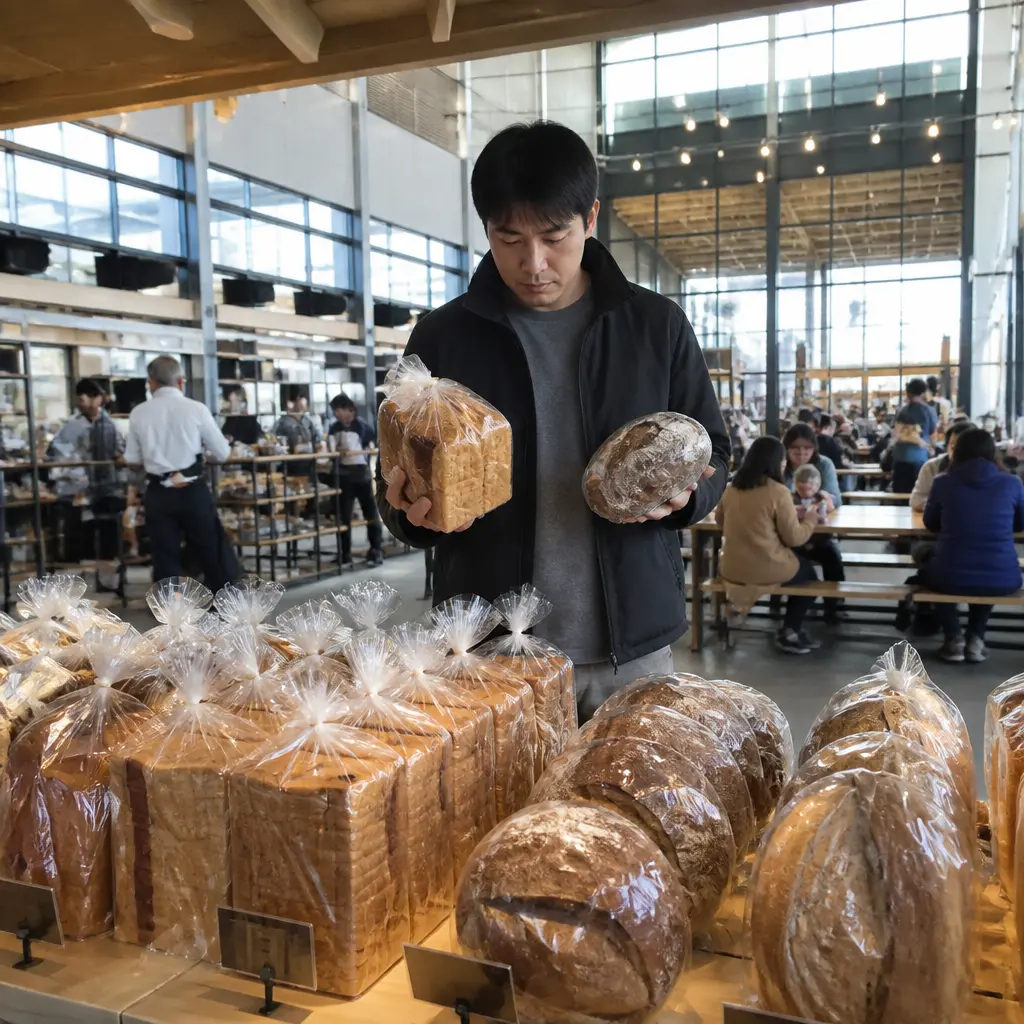
Food production method is the combination of processes, scale, ingredients, labor, and quality controls used to turn raw materials into something people eat. Mass-produced foods emphasize repeatability, efficiency, long shelf life, and broad distribution, while thoughtfully made foods generally emphasize ingredient selection, smaller batches, skilled labor, sensory quality, seasonality, and closer producer oversight. The difference is not simply “factory versus handmade”: industrial food can be nutritious and rigorously safe, and small-batch food can still be poorly controlled or high in sugar, salt, saturated fat, or calories. The most meaningful comparison therefore considers nutrition, safety, freshness, environmental impact, labor, transparency, and the purpose of the product. The scale of the issue is substantial: the United Nations Environment Programme estimates that about 19% of food available to consumers was wasted in 2022, while the U.S. Department of Agriculture estimates that 30% to 40% of the U.S. food supply is lost or wasted.
Food Production Methods Shape Food Quality and Value
“Food production method” is an attribute of a food describing how it is sourced, formulated, processed, packaged, distributed, and prepared. The U.S. Food and Drug Administration defines food safety through controls that prevent biological, chemical, and physical hazards, but safety alone does not measure flavor, cultural value, nutritional density, or the relationship between a producer and a community. In practical terms, the attribute includes several hyponyms: mass production, industrial processing, artisanal production, craft production, minimally processed food, fresh food, fermented food, and locally produced food.
The distinction matters because production choices create trade-offs. Large plants can use validated sanitation systems, automated temperature monitoring, standardized recipes, and sophisticated testing. Smaller producers may offer greater traceability to a farm, more seasonal variation, and direct accountability to customers, but they often have fewer resources for laboratories, specialized equipment, and regulatory compliance. Thoughtful production is therefore best understood as intentional control over quality and purpose—not as a guarantee that a food is automatically healthier or safer.
Mass-Produced Food: Standardization at Scale
Mass-produced food is made in high volumes through standardized formulas, mechanized or highly organized labor, centralized procurement, and distribution networks designed to serve many locations. Its defining characteristics are consistency, speed, affordability, predictable supply, and an extended usable life. A packaged loaf, canned soup, frozen meal, breakfast cereal, or national-brand snack may be manufactured thousands or millions of times with tight specifications for weight, moisture, texture, and appearance.
Scale can create real advantages. Industrial processors can purchase ingredients efficiently, spread equipment costs across large output, and use packaging and cold-chain logistics to make food available far from its point of production. Pasteurization, retort canning, freezing, drying, and controlled-atmosphere packaging have reduced dependence on immediate consumption. The Centers for Disease Control and Prevention continues to identify food safety as a system-wide responsibility involving farms, processors, retailers, restaurants, and consumers; large operations can be especially capable of documenting and auditing that system when controls are properly designed.
Thoughtfully Made Food: Intentionality and Producer Oversight
Thoughtfully made food is food produced with deliberate attention to ingredients, process, sensory outcome, provenance, and the needs of its intended eaters. The term has no single legal definition, unlike regulated claims such as “organic” or “certified humane.” It can describe a small bakery using a long fermentation, a bean-to-bar chocolate maker selecting specific cacao origins, a farmer preserving heirloom varieties, or a large company redesigning a product to reduce waste and improve nutrition.
Common attributes include shorter and more transparent supply chains, smaller production runs, manual or semi-manual techniques, seasonal menus, direct purchasing, and visible variation between batches. These features can improve freshness and distinctiveness, but they can also raise prices and limit access. “Natural,” “artisan,” “farmhouse,” and “handcrafted” are not automatically evidence of superior nutrition or sustainability; consumers should look for a clear ingredient list, credible certifications, producer information, and specific claims rather than relying on atmosphere or packaging.
Food Processing Intensity Changes Nutrition and Eating Experience
Processing intensity describes how far a food has moved from its original form and how many physical, thermal, chemical, or biological steps it has undergone. The NOVA system, developed by researchers at the University of São Paulo, groups foods into four broad categories: unprocessed or minimally processed foods, processed culinary ingredients, processed foods, and ultra-processed foods. NOVA is useful for discussing formulation and industrial processing, although nutrition researchers continue to debate how precisely the categories explain health outcomes.
Ingredient Lists, Formulation, and Nutrient Density
Mass production often relies on formulation: adjusting starches, fats, sweeteners, acids, emulsifiers, flavorings, and preservatives so a product remains stable, appealing, and economical. Some additives perform valuable technical functions, such as preventing microbial growth, maintaining texture, or protecting nutrients during storage. The presence of an additive is not by itself proof of harm, because approved substances are evaluated for specified uses and exposure levels by regulatory authorities.
The nutritional question is broader than whether a product contains an unfamiliar ingredient. A mass-produced food can be nutritious when it is based on beans, whole grains, vegetables, fruit, fish, or fortified staples. Conversely, a handmade pastry or premium ice cream can be energy-dense and high in saturated fat or added sugar. The World Health Organization recommends limiting free sugars to less than 10% of total daily energy intake, with a further reduction to about 5% offering additional health benefits. Ingredient order, serving size, fiber, sodium, added sugars, and protein are more informative than the words “artisan” or “premium.”
Freshness, Fermentation, and Sensory Complexity
Thoughtful production often preserves or develops sensory qualities through time and technique. Sourdough fermentation, cultured dairy, dry-aged foods, traditionally prepared pickles, and carefully roasted coffee rely on controlled biological or chemical changes that affect aroma, acidity, texture, and digestibility. These processes can create complexity that is difficult to reproduce through a short, standardized production cycle.
Freshness is not identical to quality, however. Freshly made food may spoil quickly, while freezing can preserve nutrients and flavor effectively. Canning can make tomatoes, beans, and fish available throughout the year, and pasteurization can reduce pathogens without eliminating all nutritional value. A useful comparison therefore asks what the process is designed to achieve: safety, preservation, convenience, texture, nutrition, or flavor.
Food Safety Depends on Controls, Not Production Image
Food safety is the prevention and control of hazards that could cause illness. It depends on sanitation, water quality, temperature control, employee hygiene, allergen management, validated processing, traceability, and corrective action. The Food Safety Modernization Act shifted U.S. oversight toward prevention by requiring many facilities to develop written hazard analyses and preventive controls.
Industrial Controls and Recall Capacity
Large manufacturers typically have formal hazard-control plans, dedicated quality departments, supplier approval programs, environmental monitoring, and documented recall procedures. These systems can make production highly reliable, but a single contaminated ingredient or process failure may affect a very large geographic area. The 2008–2009 peanut product outbreak in the United States demonstrated how contamination and weak controls can spread through complex supply chains, resulting in a major recall and criminal prosecution.
Small-Batch Accountability and Vulnerability
Small producers can often identify the person who made a product, explain its ingredients, and respond quickly to customer feedback. Direct relationships may encourage care and transparency. Yet small scale does not remove hazards: unpasteurized products, improper cooling, cross-contact with allergens, inadequate handwashing, or insufficient testing can create serious risks. The U.S. Centers for Disease Control and Prevention estimates that foodborne illnesses cause millions of illnesses, tens of thousands of hospitalizations, and thousands of deaths in the United States each year, making disciplined controls essential for every producer.
Consumers can validate a producer’s claims by checking licensing where applicable, refrigeration practices, allergen statements, inspection information, lot codes, and recall notices. Producers can strengthen trust through documented standard operating procedures, calibrated thermometers, supplier records, environmental testing, and transparent responses when a problem occurs.
Food Supply Chains Balance Affordability, Sustainability, and Labor
Production scale changes the economics and environmental footprint of food. Mass production can reduce per-unit energy, labor, and packaging costs, but it may depend on long-distance transport, monocultures, intensive packaging, and concentrated ownership. Thoughtfully made food may support local farms, preserve regional skills, and shorten some supply chains, but small deliveries, inefficient equipment, and food waste can offset those benefits. No production model is automatically sustainable.
Waste, Packaging, and Distribution
The United Nations Environment Programme’s Food Waste Index Report 2024 estimated that 1.05 billion tonnes of food waste were generated in 2022 across households, food service, and retail, equal to roughly one-fifth of food available to consumers. Packaging can extend shelf life and prevent damage, yet it also creates material waste and environmental burdens. A thoughtfully made product that spoils before sale may have a larger footprint than a packaged product that remains edible for weeks.
The USDA’s estimate that 30% to 40% of the U.S. food supply is lost or wasted illustrates why preservation and accurate demand forecasting matter. Producers can reduce waste through smaller production runs, surplus processing, donation partnerships, better date-label education, freezing, and packaging designed around actual use. A useful article or classroom presentation could illustrate this comparison with a chart showing product price, shelf life, packaging weight, distance traveled, and percentage sold before spoilage for equivalent mass-produced and small-batch foods.
Labor, Skill, and Access
Thoughtfully made foods often make skill visible: a baker manages fermentation, a cheesemaker controls cultures, and a butcher uses the whole animal. That labor can preserve knowledge and create meaningful work, but it may also be physically demanding and poorly compensated if the price does not reflect the work. Industrial systems can offer stable employment and consistent training while also creating repetitive tasks, production pressure, and unequal bargaining power across farms, factories, and retailers.
Price is an ethical issue as well as a consumer preference. Premium small-batch products may be inaccessible to households managing tight budgets, whereas mass-produced staples can help provide calories and convenience at lower prices. A fair comparison should ask whether a product improves worker conditions, pays suppliers adequately, supports public health, and remains available beyond affluent markets.
Food Labels and Marketing Reveal Only Part of Production Quality
Marketing language is a claim about a product’s identity, not a complete description of its production. “Organic” refers to regulated production standards; “fair trade” may refer to a certification’s economic and social criteria; “local” generally describes geographic proximity but has no single universal distance; and “artisan” or “handmade” may have limited legal specificity. Consumers should distinguish between a regulated claim, a third-party certification, and an unverified descriptive word.
How to Compare Foods More Carefully
-
Read the Nutrition Facts label for serving size, sodium, added sugars, saturated fat, fiber, and protein.
-
Read the ingredient list and identify the main ingredients rather than judging the product by its front-of-package design.
-
Check whether sustainability, animal welfare, organic, or fair-trade claims are supported by a recognized certification.
-
Consider freshness and storage: a product with a longer shelf life may prevent waste, while a highly perishable product may require more careful purchasing.
-
Ask who made the product, where its major ingredients came from, and whether the producer explains its safety and labor practices.
-
Compare foods within the same category, such as two breads or two tomato sauces, rather than comparing a snack with an unrelated meal.
Food Choice Works Best When Scale and Craft Serve the Purpose
Mass-produced and thoughtfully made foods are not opposing moral categories. Mass production can deliver safe, affordable, fortified, frozen, canned, and shelf-stable foods to large populations. Thoughtful production can protect regional traditions, improve sensory quality, strengthen producer-consumer relationships, and encourage attention to ingredients and waste. The strongest food systems borrow from both: industrial methods where they improve safety and access, and craft-centered methods where they improve flavor, local resilience, cultural continuity, or resource stewardship.
The central lesson is to evaluate food production method as a set of measurable choices. Food safety requires controls; nutrition requires attention to the whole dietary pattern; sustainability requires examining waste and resources; and craftsmanship requires more than a premium label. Readers can deepen their understanding by comparing ingredient lists and nutrition panels, visiting a farmers market or food facility, reviewing certification standards, and learning how fermentation, preservation, and supply-chain management affect the foods they eat.
Sources: United Nations Environment Programme, Food Waste Index Report 2024, https://www.unep.org/resources/report/food-waste-index-report-2024; U.S. Department of Agriculture, Food Loss and Waste, https://www.usda.gov/foodlossandwaste; U.S. Food and Drug Administration, Food Safety Modernization Act, https://www.fda.gov/food/guidance-regulation-food-and-dietary-supplements/food-safety-modernization-act-fsma; U.S. Food and Drug Administration, Food Ingredients and Packaging, https://www.fda.gov/food/food-ingredients-packaging; Centers for Disease Control and Prevention, Estimates of Foodborne Illness in the United States, https://www.cdc.gov/food-safety/data-research/annual-estimates/; World Health Organization, Healthy Diet, https://www.who.int/news-room/fact-sheets/detail/healthy-diet; Monteiro, C. A., Cannon, G., Levy, R. B., et al., Ultra-processed foods: what they are and how to identify them, Public Health Nutrition, https://doi.org/10.1017/S1368980018003762; Food and Agriculture Organization of the United Nations, The State of Food and Agriculture 2019: Moving Forward on Food Loss and Waste Reduction, https://www.fao.org/3/ca6030en/ca6030en.pdf