
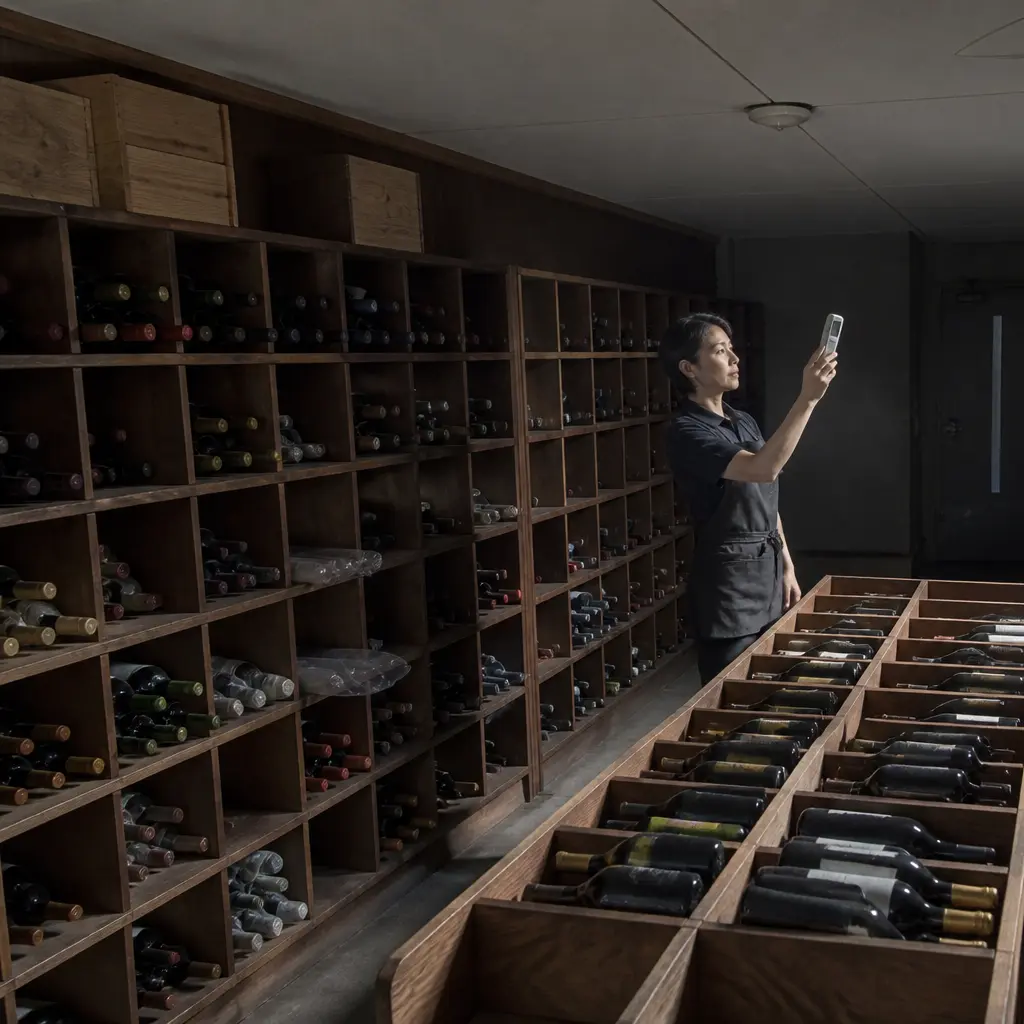
Wine Storage Temperature: Simple Mistakes That Quietly Ruin Even Great Bottles
Wine storage temperature is the environmental condition in which a bottle is kept before serving, including sustained heat, cold, light exposure, humidity, vibration, and temperature change. Even an excellent wine can lose freshness, aroma, balance, or aging potential when stored beside a radiator, in a bright kitchen, upright for years with a natural cork, or in a place with repeated daily temperature swings. The broadly accepted target for long-term storage is about 55°F (13°C), with stability often more important than achieving one exact number. The Wine Institute and specialist storage guidance also emphasize darkness, moderate humidity, limited vibration, and protection from rapid fluctuations. These quiet mistakes matter because wine quality is a chemical process: oxygen, heat, ultraviolet light, and poor closure conditions can gradually alter flavor long before a bottle appears visibly damaged.
Protects Wine Storage Temperature and Bottle Quality
Wine storage temperature is best understood as a stable range rather than a single magic setting. The American Society for Enology and Viticulture describes wine aging as a series of chemical reactions involving oxygen, acids, phenolic compounds, sulfur dioxide, and other constituents. Temperature affects the speed of these reactions: warmer conditions generally accelerate them, while excessive cold can slow development and create physical problems such as expansion, contraction, or precipitation.
The main hyponyms of wine storage temperature include cellar storage, wine-refrigerator storage, short-term pantry storage, refrigerated storage, and temperature-controlled warehouse storage. Each serves a different purpose. A standard refrigerator may protect an opened bottle or preserve a bottle for a short period, but its low temperature, dry air, vibration, and frequent door movement make it unsuitable for most long-term aging. A wine refrigerator is designed to provide a steadier environment, while a traditional cellar can work well when its seasonal changes are gradual and moderate.
Stable Temperature Prevents Premature Aging
Stable temperature means avoiding repeated warming and cooling, not merely maintaining an acceptable average. A bottle stored at 55°F consistently is usually in a safer position than one that moves daily between 50°F and 75°F. Repeated expansion and contraction of the wine and air in the bottle can place pressure on the closure and encourage small exchanges of air.
Heat is especially damaging because it speeds oxidation and other aging reactions. A bottle left in a car, attic, sunny room, or cabinet above an oven may develop cooked, stewed, raisined, or flat flavors. Some producers and merchants use the term “heat damaged” for wine that has lost freshness after exposure to elevated temperatures. The precise threshold depends on duration, bottle fill level, closure, and wine style, but sustained storage above roughly 70°F to 75°F is widely treated as risky for quality-focused aging.
Moderate Cold Preserves More Than a Kitchen Refrigerator
Cold storage slows chemical change, but colder is not automatically better. A household refrigerator commonly operates near 37°F, substantially below the approximately 50°F to 59°F range often used for wine storage. Long exposure can dull aromas, dry natural corks in a low-humidity environment, and make a bottle vulnerable to temperature shocks when moved between rooms.
Short-term refrigeration is still useful. It can preserve a newly opened bottle for several days, chill sparkling wine before service, or protect a bottle until a suitable storage location is available. The mistake is treating a food refrigerator as a multi-year wine cellar. For long-term storage, a dedicated wine cabinet with a reliable thermostat and minimal vibration is a better hyponym of controlled storage.
Blocks Light Exposure and Wine Bottle Damage
Light protection is the storage attribute that many owners overlook because a bottle can look perfectly normal while its contents deteriorate. Ultraviolet and visible light can promote photochemical reactions, particularly in white, rosé, and sparkling wines. These reactions can affect aromas and create unpleasant sulfur-related notes, a problem sometimes called “light-struck” character.
Dark Storage Limits Photochemical Reactions
Dark storage means keeping bottles away from direct sunlight, strong fluorescent lighting, and display cases that remain illuminated for long periods. Clear and green bottles offer different levels of protection, but colored glass is not a substitute for darkness. A sunny windowsill can heat a bottle and expose it to light at the same time, creating two stressors instead of one.
A practical rule is to store wine in a dark cabinet, cellar, or wine refrigerator and reserve illuminated shelving for bottles intended for quick consumption. The International Organisation of Vine and Wine recognizes light, temperature, oxygen, and humidity as important environmental considerations in wine production and preservation. A simple visual diagram for a storage plan would rank hazards from highest to lowest: direct sun, high heat, repeated temperature swings, strong vibration, excessive dryness, and ordinary darkness-protected room storage.
Maintains Humidity and Wine Closure Integrity
Humidity is the moisture level surrounding a stored bottle. It matters most when a bottle uses a natural cork closure. Excessively dry air can contribute to cork shrinkage over long periods, while excessive moisture can damage labels, encourage mold on exterior surfaces, and harm cartons or wooden racks. The storage goal is therefore moderate humidity, not a damp cellar.
Horizontal Storage Supports Natural Corks
Horizontal storage places wine against the inner end of a traditional cork, helping reduce the chance that the closure becomes excessively dry. This practice is most relevant for bottles designed for aging with natural cork. Synthetic corks, screw caps, and many sparkling-wine closures do not require the same approach, although horizontal positioning can still save space and keep bottles organized.
Keeping every bottle flat is not a universal requirement. A screw-cap wine can be stored upright without the cork-wetting concern, and a bottle intended for immediate drinking does not need elaborate cellar treatment. The important distinction is closure type, storage duration, and the producer’s intended aging method.
Moderate Humidity Protects Labels Without Creating Dampness
A commonly cited long-term target is approximately 60% to 70% relative humidity, although acceptable ranges vary with the room, closure, and packaging. Humidity below that range for years may increase concern about natural cork condition; humidity substantially above it can damage labels and packaging. A basic hygrometer is more useful than guessing from a cellar’s smell or a wall’s appearance.
Do not solve dryness by spraying bottles, soaking racks, or placing open water containers beside valuable wine. Those methods create uneven moisture and mold risk. Instead, improve room sealing, use a properly maintained cellar humidifier if needed, and keep air circulating gently.
Reduces Vibration and Poor Bottle Handling
Vibration is mechanical movement transmitted to the bottle. Constant vibration from a washing machine, compressor, elevator shaft, busy road, or poorly isolated wine refrigerator may disturb sediment and create unnecessary physical stress. Research on vibration and wine aging is more limited than research on temperature and oxidation, so dramatic claims should be treated cautiously. Nevertheless, still storage is a sensible low-risk practice, especially for wines that will age for many years.
Still Racks Protect Aging Bottles
A still rack supports bottles without forcing them against a vibrating appliance or unstable shelf. Repeatedly moving bottles to inspect labels is another avoidable mistake. For wines with sediment, long rest before opening allows particles to settle, while gentle handling protects clarity during decanting.
The best storage arrangement also leaves enough space to read labels, record purchase dates, and rotate bottles without disturbing an entire stack. A simple inventory can identify which wines are for immediate drinking and which require stable, long-term conditions.
Separates Wine Storage Duration from Serving Temperature
Long-term storage temperature and serving temperature are different attributes. A cellar near 55°F may be suitable for preserving a broad range of wines, but most wines are served at temperatures selected for aroma, body, acidity, sweetness, and tannin. Serving a bottle directly from long-term storage may make it seem muted, while serving it too warm can exaggerate alcohol and reduce freshness.
Short-Term Storage Has More Flexibility
A bottle that will be consumed within days or weeks does not need the same precision as a collectible intended to mature for a decade. Store short-term wine in a cool, dark place away from appliances and windows. For opened wine, reseal it promptly, keep it cold, and minimize the air space above the liquid. Refrigeration slows deterioration, although it cannot reverse oxidation that has already occurred.
Long-Term Storage Requires a Controlled Environment
Long-term storage is appropriate only when the wine’s style and closure support aging and the environment is controlled. A temperature log can reveal problems that a single thermometer reading misses. Record temperature at different times of day for several weeks, then check seasonal changes before committing expensive bottles to a closet, garage, or basement.
A useful checklist is:
- Keep the storage area dark and away from direct sunlight.
- Aim for a stable temperature near 55°F, avoiding sustained heat.
- Limit rapid daily or seasonal fluctuations.
- Store natural-cork bottles horizontally for extended aging.
- Maintain moderate humidity without creating damp conditions.
- Keep bottles away from strong vibration and unstable shelving.
- Use a wine refrigerator or cellar for valuable long-term collections.
- Separate wines for immediate drinking from wines intended to mature.
Conclusion: Stable Wine Storage Temperature Protects Bottle Quality
Wine storage temperature is only one part of bottle preservation, but it connects the major risks: heat accelerates chemical change, light promotes photochemical damage, dry conditions can threaten natural corks, humidity can damage labels, and vibration complicates long-term handling. Cellars, wine refrigerators, dark cabinets, horizontal racks, and short-term refrigerators are useful hyponyms only when matched to the bottle’s closure, age, and intended drinking date.
The most valuable action is to measure rather than guess. Place a thermometer and hygrometer in the proposed storage area, monitor conditions through both day and night, and move important bottles away from windows, appliances, garages, and uninsulated upper floors. For further reading, consult the Wine Institute, the International Organisation of Vine and Wine, the American Society for Enology and Viticulture, and producer-specific storage guidance before investing in a long-term collection.
Sources: Wine Institute, Wine Storage and Serving Guidance, https://wineinstitute.org/our-industry/health-and-safety/wine-storage-and-serving/; International Organisation of Vine and Wine, Compendium of International Methods of Wine and Must Analysis, https://www.oiv.int/; American Society for Enology and Viticulture, American Journal of Enology and Viticulture, https://www.ajevonline.org/; U.S. Department of Agriculture, National Institute of Food and Agriculture, Postharvest and Food Preservation Resources, https://www.nifa.usda.gov/; The Wine Society, How to Store Wine, https://www.thewinesociety.com/discover/explore/wine-basics/how-to-store-wine/